Navigating the diverse world of iced coffee can often feel like deciphering a secret code. With terms like Frappe, Iced Latte, and Frappuccino casually tossed around, it's easy to mistake one for the other. Yet, each of these chilled concoctions boasts a unique origin, distinct ingredients, and a signature flavor profile that sets it apart. Understanding these differences isn't just about ordering confidently; it's about appreciating the rich history and global evolution of cold coffee culture.
The Iconic Frappe: A Greek Revelation Spanning Continents
The story of the frappe is one of ingenious improvisation, born in Thessaloniki, Greece, in 1957. During a trade fair, a Nescafé representative named Dimitris Vakondios found himself without access to hot water for his instant coffee. Resourceful and craving his caffeine fix, he mixed instant coffee with cold water, sugar, and ice in a shaker. The result was a frothy, refreshing drink that quickly captivated the local palate and became a staple in every Greek café.
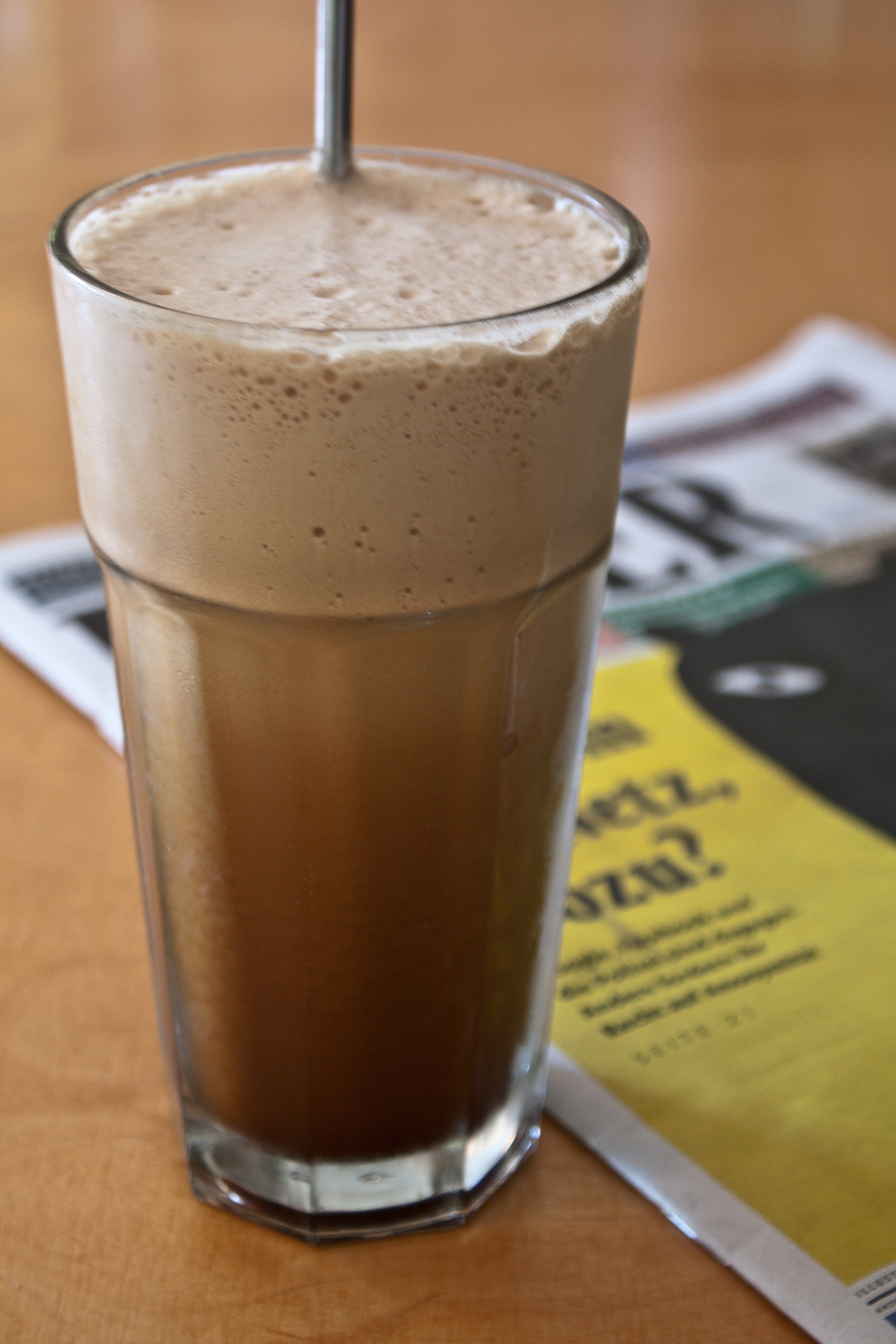
The name "frappe" itself is borrowed from the French word meaning "shaken" or "chilled," a direct nod to its original preparation method. A classic Greek frappe is surprisingly simple: it typically combines instant coffee, cold water, sugar (to taste), and ice. Many prefer to add a splash of milk or evaporated milk for an extra creamy touch, but its core remains a light, airy, and invigorating brew.
While born in Greece, the frappe's appeal quickly transcended borders. Its simplicity and refreshing nature made it a hit across Europe and beyond. In the USA, the Greek Frappe's popularity has grown, especially among those seeking a lighter, frothy iced coffee option distinct from its more dessert-like counterparts. Moreover, the concept of cold, shaken coffee drinks, including variations of frappes, has found a strong foothold in the Moyen-Orient (Middle East). In regions with hot climates, these chilled beverages are incredibly popular, often adapted with local preferences for sweetness or aromatic spices, demonstrating the frappe's versatile global appeal.
The Ubiquitous Iced Latte: Espresso's Chilly Embrace
In contrast to the frappe's instant coffee origins, the iced latte is firmly rooted in the world of espresso. A classic Italian invention, the "caffè latte" (coffee with milk) has been a warm, comforting staple for generations. The iced latte is simply its cooler, contemporary adaptation, designed for those who prefer their coffee chilled without sacrificing the robust flavor of espresso.
At its heart, an iced latte consists of two main ingredients: a shot (or two) of freshly pulled espresso and cold milk, poured over ice. The espresso provides a strong, concentrated coffee flavor, which is then mellowed by the creamy milk. Unlike blended drinks, an iced latte is typically layered, allowing the distinct components to create a smooth, velvety texture. While often served unsweetened, it's common to add various syrups – vanilla, caramel, hazelnut – to customize the flavor profile, making it a highly versatile choice.
The iced latte’s simplicity and elegance make it a go-to for coffee lovers worldwide, from bustling cafes in New York to cozy corners in Dubai. It strikes a perfect balance: rich enough to satisfy a serious coffee craving, yet cool and refreshing for any time of day.
The Global Phenomenon: Starbucks' Frappuccino Empire
The Frappuccino is perhaps the most recognized name among blended iced coffee drinks, largely thanks to its global champion, Starbucks. However, its origins predate the coffee giant. The blended beverage was actually conceived in the early 1990s at a Boston coffee shop called Coffee Connection. Starbucks acquired Coffee Connection in 1994, and with it, the rights to the Frappuccino name and concept, transforming it into a worldwide sensation.
The name "Frappuccino" itself is a clever portmanteau, merging "frappe" with "cappuccino," hinting at its blended, coffee-forward nature with a frothy cap. Unlike a traditional frappe, a Frappuccino is a much more elaborate, milkshake-like drink. It typically blends coffee (which can be espresso, brewed coffee, or Starbucks' proprietary Frappuccino Roast instant powder), milk, ice, and a significant amount of sweeteners and flavorings. Common additions include mocha, caramel, or java chip, and it's almost always crowned with a generous swirl of whipped cream and a drizzle of syrup. For those avoiding caffeine, Starbucks also offers "crème" Frappuccinos, which are coffee-free versions.
The Frappuccino's thick, slushy texture and dessert-like indulgence have made it incredibly popular, especially among younger demographics and those looking for a sweet treat rather than just a coffee. Its massive success in the USA quickly spread globally, with countless variations and seasonal flavors continually introduced. For a deeper dive into the nuances between these blended beauties, explore Frappe vs. Frappuccino: Navigating Your Cold Coffee Choices.
Frappe, Latte, Frappuccino: A Head-to-Head Comparison
While all three offer a delicious way to enjoy coffee cold, their differences are fundamental and worth understanding.
Ingredients & Preparation
- Frappe: Relies on instant coffee, shaken or blended with cold water, sugar, and ice. Often finished with a touch of milk. Its preparation emphasizes creating a rich, airy foam.
- Iced Latte: Built around espresso, combined with cold milk and ice. It's typically a layered drink, not blended, showcasing the distinct elements.
- Frappuccino: A complex blend of brewed coffee, espresso, or special roast powder, milk, ice, and often multiple syrups/flavorings. It's fully blended to achieve its signature thick consistency and usually topped with whipped cream and drizzles.
Texture & Flavor Profile
- Frappe: Light, incredibly frothy, and refreshing. Its flavor is typically sweet and coffee-forward, with the instant coffee providing a smooth, less acidic taste compared to espresso.
- Iced Latte: Smooth, creamy, and velvety. The strong espresso flavor shines through, balanced by the milk, offering a sophisticated, coffee-centric experience.
- Frappuccino: Thick, icy, and slushy, resembling a milkshake. It’s highly indulgent and sweet, often with prominent flavors from added syrups and toppings that sometimes overshadow the coffee itself. It’s definitely more of a dessert than a drink.
Cultural Footprint & Evolution
Each drink carries a unique cultural story. The frappe emerged from Greek ingenuity, becoming a national beverage and inspiring other cold coffee creations around the world, particularly popular in the USA and throughout the Moyen-Orient due to its refreshing qualities. The iced latte is an evolution of Italian coffee tradition, adapting a classic for modern tastes. The Frappuccino, an American innovation perfected by Starbucks, represents the peak of coffee-as-dessert culture, a testament to marketing and customization.
Nutritional Notes
Generally, frappes tend to be the lightest of the three, especially the traditional Greek version made primarily with instant coffee, water, and minimal sugar/milk. Iced lattes offer a balance, with their nutritional content depending on milk choice (whole, skim, alternative) and added syrups. Frappuccinos, with their multiple ingredients, high sugar content, and generous toppings, are typically the most indulgent and calorific, often rivaling a dessert.
Craft Your Own Cold Brew Masterpiece at Home
The beauty of these iced coffee drinks is their adaptability. Making them at home allows for endless customization to suit your taste and dietary preferences. Here are some starting points:
Classic Greek Frappe
Achieving that perfect foam is key!
- Combine 2 teaspoons of instant coffee (Nescafé is authentic), 2 teaspoons of sugar (adjust to preference), and 2-3 tablespoons of very cold water in a shaker bottle or a small, tall glass.
- Shake vigorously for 30 seconds, or use a hand-held milk frother for 15-20 seconds, until a thick, rich foam forms.
- Pour the foamy mixture over a glass filled with ice.
- Top with cold water for a stronger coffee taste, or cold milk/evaporated milk for a creamier, milder drink. Stir gently.
- Tip: For a dairy-free option, use almond or oat milk. Experiment with different instant coffee brands for varied flavor notes.
Simple Iced Latte
Elegant and easy, celebrating the espresso.
- Brew 1-2 shots of strong espresso (about 2-3 ounces). Let it cool slightly.
- Fill a tall glass with ice.
- Pour ¾ to 1 cup of cold milk (dairy or non-dairy) over the ice.
- Slowly pour the cooled espresso over the milk and ice.
- Add a pump of your favorite syrup (vanilla, caramel, etc.) if desired, and stir before enjoying.
- Tip: For extra richness, use a milk frother to slightly froth your cold milk before pouring.
DIY Frappuccino-Inspired Blend
Your own blended coffee dessert.
- Blend ½ cup strong brewed coffee (chilled) or 1-2 shots of espresso with ¾ cup milk (any kind), 1 cup ice, and 2-3 tablespoons of sugar or flavored syrup (e.g., chocolate, caramel) in a high-speed blender.
- Blend until smooth and slushy, adjusting ice or liquid for desired consistency.
- Pour into a glass and top with whipped cream and a drizzle of chocolate or caramel sauce.
- Tip: Add a scoop of ice cream, a few chocolate chips, or a spoonful of peanut butter for an even more decadent treat.
Whether you're craving the refreshing simplicity of a Greek frappe, the smooth sophistication of an iced latte, or the decadent indulgence of a Frappuccino, knowing their distinctions empowers you to make the perfect choice for your palate. So next time you approach a coffee menu, you won't just be ordering a cold coffee; you'll be selecting a piece of global coffee history, crafted precisely to your desire.