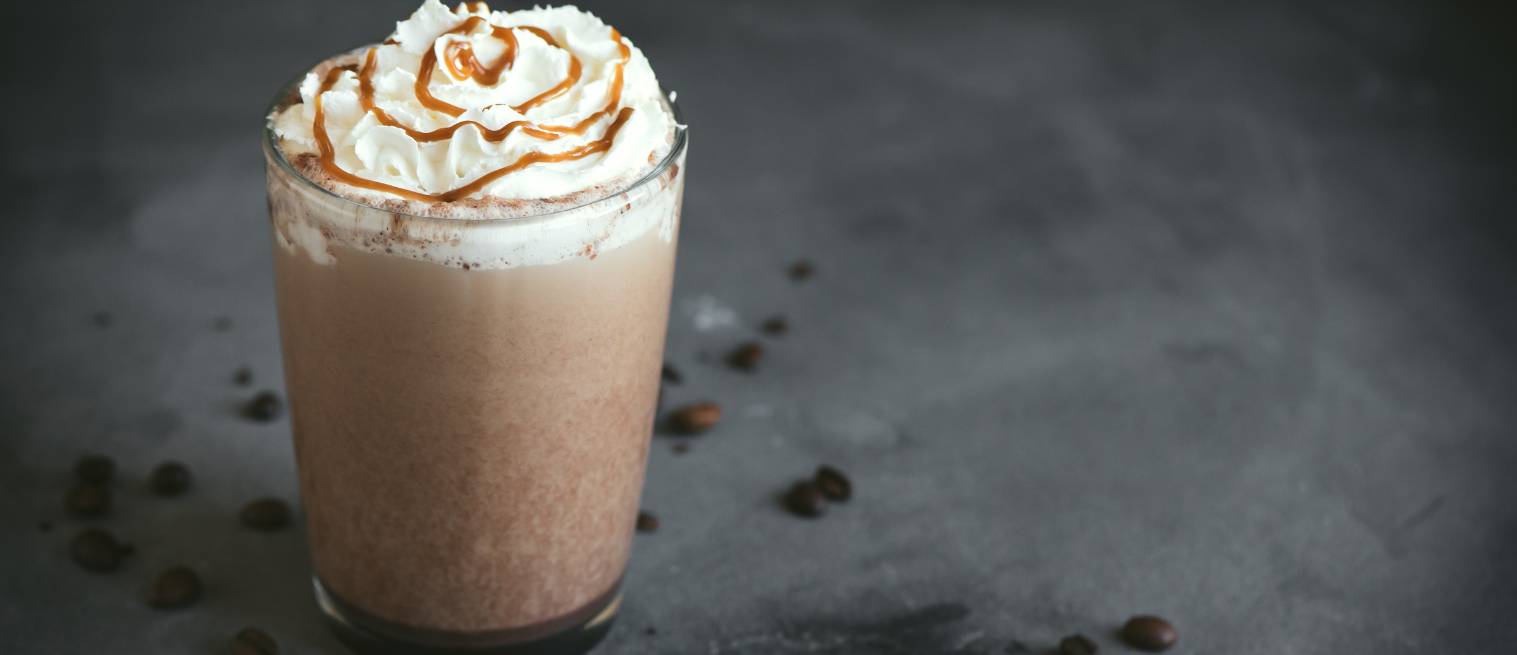
The Greek Frappe: How Instant Coffee Became a US Favorite and a Global Sensation
In the vast landscape of chilled coffee concoctions, the Frappe stands as a testament to innovation born from necessity. Far from being just another iced drink, the Greek Frappe boasts a unique origin story and a distinct profile that has allowed it to carve out its own niche, traveling from the sun-drenched cafes of Thessaloniki to capture the hearts of coffee lovers across the US, Moyen-Orient (Middle East), and beyond. While many cold coffee options vie for attention, the Frappe's simplicity and refreshing character offer a refreshing alternative to its more elaborate cousins.
The Accidental Genesis: Birth of an Iconic Greek Brew
The year was 1957, and the setting was the International Trade Fair in Thessaloniki, Greece. Nescafé was showcasing a new instant coffee product designed to be mixed with hot milk. However, a representative named Dimitris Vakondios found himself in a predicament. Desiring his own instant coffee fix, he couldn't locate any hot water. Resourceful and craving his caffeine, Vakondios improvised. He combined instant coffee, a bit of sugar, and cold water in a shaker, adding ice for chill. The result was a surprisingly frothy, refreshing, and utterly delicious cold coffee beverage.
Thus, the Frappe was born. The name itself, borrowed from the French word "frappé," meaning "shaken" or "chilled," perfectly describes its method of preparation. It quickly moved beyond a simple improvisation to become a national drink of Greece, an essential part of daily life. A classic Greek Frappe is elegantly simple: instant coffee, cold water, sugar (adjusted to taste), and ice, often finished with a splash of milk or evaporated milk to enhance its creamy texture. Its immediate popularity in Greece paved the way for its global journey.
Beyond the Aegean: Frappes USA, Middle East, and Global Appeal
The journey of the Frappe beyond its Greek homeland is a fascinating tale of cultural exchange and evolving coffee trends. While the Frappuccino might dominate the blended coffee scene in many Western markets, the authentic Greek Frappe has steadily gained traction, becoming a beloved choice for those seeking a purer, more coffee-forward chilled experience.
Frappes in the USA: A Niche of Authenticity
In the United States, the Frappe initially found its home in Greek diners and immigrant communities, serving as a nostalgic link to the homeland. As American coffee culture diversified, a growing appreciation for international coffee traditions brought the Frappe into the broader consciousness. What appeals to many in the USA is its unpretentious nature. Unlike the often dessert-like Frappuccino, the Frappe emphasizes the coffee itself, offering a light, foamy texture and a customizable level of sweetness. It's a perfect choice for those who appreciate instant coffee's convenience but desire a sophisticated, cold preparation. Its rise also reflects a broader trend of consumers seeking out authentic global flavors and less sugar-laden options, making it a compelling alternative on crowded coffee shop menus. For a deeper dive into how it stacks up against its blended counterpart, read our article: Frappe vs. Frappuccino: Navigating Your Cold Coffee Choices.
The Frappe's Reach in the Moyen-Orient (Middle East)
The Frappe's popularity extends significantly into the Moyen-Orient (Middle East), where hot climates and a rich coffee heritage create fertile ground for refreshing iced beverages. Countries across the Middle East have embraced the Frappe for its cooling qualities and its familiar coffee base. Instant coffee, often a household staple in the region, makes the Frappe an accessible and easily reproducible drink. Its simplicity aligns well with a preference for strong, clear coffee flavors, while its customizable sweetness allows it to adapt to local tastes, which often lean towards sweeter profiles. The cultural exchange facilitated by travel and globalized food trends has cemented the Frappe's place in many Middle Eastern cafes and homes, making it a common sight from bustling city centers to serene desert oases.
Globally, the Frappe's appeal lies in its versatility and its refreshing character. It’s a testament to how a simple, accidental creation can transcend borders and become a universal symbol of chilled coffee enjoyment.
Decoding Your Cold Coffee: Frappe vs. Its Icy Cousins
With an ever-expanding array of cold coffee drinks, it's easy to confuse a Frappe with an Iced Latte or a Frappuccino. While all are refreshing, their ingredients, preparation, and resulting textures are distinctly different. Understanding these nuances can help you choose the perfect drink for your mood and palate. For a comprehensive comparison, check out: Decode Your Iced Coffee Menu: Frappe, Latte, Frappuccino.
- The Frappe:
- Origin: Greece (1957)
- Main Coffee Type: Instant coffee (e.g., Nescafé)
- Preparation: Shaken or blended with cold water, sugar, and ice to create a signature frothy head. Milk or evaporated milk is optional.
- Texture: Light, airy, incredibly frothy, and subtly sweet. It's less dense than a milkshake but more substantial than plain iced coffee.
- Vibe: Refreshing, coffee-forward, customizable in sweetness (from "sketo" - plain, to "glyko" - sweet).
- The Iced Latte:
- Origin: Italian espresso tradition adapted for cold consumption.
- Main Coffee Type: Espresso shots.
- Preparation: Espresso is combined with cold milk and poured over ice. Rarely blended.
- Texture: Smooth, creamy, and velvety. It highlights the balance between strong espresso and rich milk.
- Vibe: Creamy, coffee-centric, often less sweet than a Frappuccino unless syrups are added.
- The Frappuccino:
- Origin: USA (Starbucks popularized it in 1994, building on a Boston original).
- Main Coffee Type: Espresso, brewed coffee, or Starbucks' proprietary Frappuccino Roast instant powder.
- Preparation: Blended with milk, ice, and flavored syrups, often topped with whipped cream and drizzles.
- Texture: Thick, slushy, and milkshake-like.
- Vibe: Indulgent, dessert-like, very sweet, with a wide array of flavors (mocha, caramel, java chip, etc.). Coffee-free "Crème" versions also exist.
The key takeaway is that while Frappuccinos are thick, sweet, and dessert-like, and Iced Lattes are smooth, creamy, and espresso-based, the Frappe stands out with its frothy texture and reliance on instant coffee, offering a unique and often lighter cold coffee experience.
Master the Frappe at Home: A DIY Guide and Customization Tips
One of the Frappe's most endearing qualities is its simplicity, making it incredibly easy to recreate at home. Ditch the coffee shop queues and whip up your own authentic Greek Frappe with minimal effort, customizing it precisely to your taste.
Classic Greek Frappe Recipe
Ingredients:
- 2 teaspoons instant coffee (Nescafé Classic is traditional)
- 1-3 teaspoons sugar (adjust to your preference: 1 tsp for metrio - medium sweet, 3 tsp for glyko - sweet, 0 for sketo - plain)
- 2-3 tablespoons cold water
- Ice cubes
- Cold water or evaporated milk (for topping up)
Equipment:
- A tall glass
- A shaker bottle with a tight lid, or a small electric whisk/frother
Method:
- Create the Foam: In your shaker or glass (if using a whisk), combine the instant coffee, sugar, and the 2-3 tablespoons of cold water.
- Shake/Whisk Vigorously:
- Using a Shaker: Secure the lid tightly and shake vigorously for 20-30 seconds until a thick, rich foam forms.
- Using a Whisk/Frother: Whisk the mixture for 15-20 seconds until a similar dense foam is achieved.
- Assemble the Drink: Pour the coffee foam into your tall glass.
- Add Ice: Fill the glass generously with ice cubes.
- Top Up: Slowly add cold water to fill the glass, leaving a little room for milk if desired. For a creamier Frappe, use evaporated milk, a popular choice in Greece, or regular cold milk.
- Serve: Stir gently with a straw and enjoy your perfectly frothed Greek Frappe!
Customization Tips for Your Perfect Frappe:
- Sweetness Levels: The Greek way offers distinct levels: sketo (no sugar), metrio (medium sweet, 1-2 tsp sugar), and glyko (sweet, 3+ tsp sugar). Experiment to find your sweet spot.
- Creaminess: For an extra rich Frappe, especially if you're skipping dairy, try blending a tiny amount of your favorite plant-based milk (like almond or oat milk) directly into the coffee mixture when making the foam.
- Flavor Boosts: Add a dash of vanilla extract or a pinch of cinnamon to the initial coffee mix for an aromatic twist. A small amount of chocolate syrup or even a coffee liqueur can transform it into an adult treat.
- Coffee Strength: Adjust the amount of instant coffee based on your preference. For a stronger kick, use 3 teaspoons instead of 2.
- Blender vs. Shaker: While a shaker provides the classic hand-shaken foam, a blender can also be used for convenience. Just be careful not to over-blend, which can sometimes reduce the foam's density.
Making your own Frappe at home is not only cost-effective but also allows for endless personalization, ensuring every sip is exactly to your liking.
Conclusion
From an ingenious improvisation in Thessaloniki to a beloved cold coffee option in the US and throughout the Moyen-Orient, the Greek Frappe has proven its timeless appeal. Its simplicity, refreshing qualities, and distinct frothy texture set it apart in a crowded market of iced beverages. Whether you encounter it in a quaint Greek cafe, a bustling American diner, or a modern Middle Eastern eatery, the Frappe offers a unique and satisfying experience. Its journey is a testament to the universal language of coffee and the delightful ways we continue to innovate and share our favorite brews. So next time you're craving a cold pick-me-up, consider reaching for a Frappe – a drink with history, character, and a truly refreshing taste.