Frappe vs. Frappuccino: Navigating Your Cold Coffee Choices
Stepping into a coffee shop, especially in the sweltering heat, often presents a delightful dilemma: which cold, caffeinated concoction should you choose? Among the myriad of options, the terms "frappe" and "Frappuccino" frequently surface, often causing confusion. While both promise a refreshing, icy escape, they boast distinct origins, ingredients, textures, and even cultural significance. Understanding these differences isn't just about ordering confidently; it's about appreciating the unique journey each drink takes from its inception to your cup. From the humble Greek innovation that became a staple for frappes USA Moyen-Orient to Starbucks' global dessert-in-a-cup, let's explore the fascinating world of these chilled coffee beverages.
The Original Cold Brew: The Greek Frappe
The story of the frappe is a testament to resourceful improvisation. Its birth year was 1957, and the location was the International Trade Fair in Thessaloniki, Greece. Dimitris Vakondios, a representative for Nescafé, found himself in a predicament: he craved his instant coffee but lacked access to hot water. Thinking quickly, he grabbed a shaker, combined instant coffee, cold water, sugar, and ice, and gave it a vigorous shake. The result was a surprisingly frothy, refreshing drink that quickly captivated attendees and became an instant hit across Greece.
The name "frappe" itself is borrowed from the French word for "shaken" or "chilled," perfectly describing its preparation. A true classic Greek frappe remains remarkably simple: instant coffee (often Nescafe), cold water, sugar, and ice. Many prefer a dash of milk or evaporated milk for a creamier consistency, but the core remains instant coffee's unique ability to create a thick, stable foam when shaken vigorously. It's a testament to minimalist perfection, designed to be slowly sipped and savored, offering a light, airy texture and a bold coffee flavor. While deeply entrenched in Greek culture, the frappe's appeal has steadily expanded, making it a popular choice for frappes USA Moyen-Orient, particularly amongst those seeking an authentic, less-sweet coffee experience. Its simplicity makes it easy to replicate at home or customize to local tastes, solidifying its place in diverse coffee landscapes. For a deeper dive into its journey, read more about The Greek Frappe: How Instant Coffee Became a US Favorite.
Starbucks' Signature Sip: The Frappuccino Phenomenon
Fast forward to the early 1990s in Boston, where a small coffee chain called Coffee Connection introduced a blended iced coffee drink they called a "Frappuccino." The name itself was a clever portmanteau, combining "frappe" (likely nodding to its icy, blended nature) with "cappuccino" (referencing its coffee base). This innovative drink caught the eye of the burgeoning coffee giant, Starbucks, which acquired Coffee Connection in 1994. It was under Starbucks' wing that the Frappuccino truly exploded onto the global scene, becoming one of their most iconic and recognizable beverages.
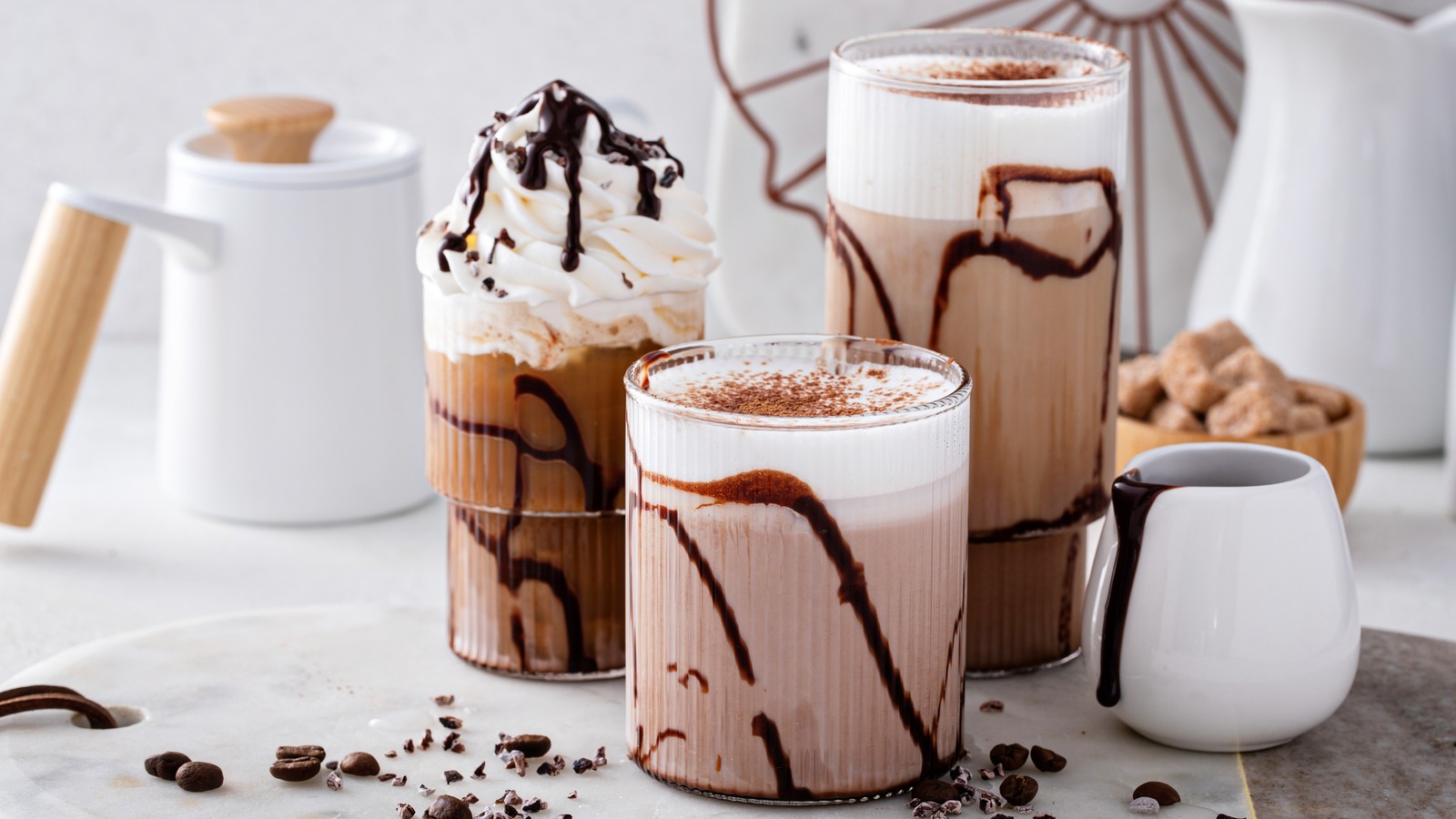
A Starbucks Frappuccino is fundamentally a blended, milkshake-like drink that offers a more indulgent experience than its Greek counterpart. It typically features coffee (which can be espresso, brewed coffee, or Starbucks' proprietary Frappuccino Roast instant powder), milk, ice, and a generous amount of sweeteners and syrups. What truly sets it apart are the endless customization options and opulent toppings: whipped cream, chocolate drizzles, caramel swirls, cookie crumbles, and more. Flavors range from classic mocha and caramel to seasonal and exotic combinations like pumpkin spice or java chip. Starbucks also caters to non-coffee drinkers with "Crème Frappuccino" versions, offering a similar blended treat without the caffeine. The Frappuccino is less about the pure coffee experience and more about a creamy, sweet, dessert-like indulgence that has captured the hearts of millions worldwide.
Frappe vs. Frappuccino: A Head-to-Head Comparison
While both drinks provide a refreshing escape from the heat, their differences are profound, shaping distinct sensory experiences and catering to varied preferences. Let's break down the key distinctions:
Ingredients and Preparation
- Frappe: The heart of a frappe is instant coffee, mixed with cold water, sugar, and ice, then vigorously shaken or lightly blended to create its signature foam. Optional milk or evaporated milk adds creaminess. Its simplicity is its strength.
- Frappuccino: This is a more complex blend, often starting with brewed coffee, espresso, or a specialized coffee powder. It combines these with milk, ice, and an array of syrups and sweeteners, all thoroughly blended to a thick, smooth consistency. Toppings like whipped cream and drizzles are standard.
Texture and Flavor Profile
- Frappe: Expect a light, airy, and distinctly frothy texture, akin to a cold foam. The flavor is coffee-forward, with the sweetness easily adjustable. It's designed to be refreshing and less heavy.
- Frappuccino: This drink is thick, slushy, and creamy, almost like a coffee-flavored milkshake. The taste is typically sweet and indulgent, often with the coffee flavor playing a supporting role to the syrups and toppings.
Cultural Context and Global Reach
- Frappe: Deeply rooted in Greek culture, the frappe is an everyday staple, a symbol of relaxed coffee breaks and social gatherings. Its journey has seen it become a beloved cold coffee option for frappes USA Moyen-Orient, appreciated for its straightforward, authentic coffee character and adaptability to local tastes without losing its essence.
- Frappuccino: A product of American innovation and Starbucks' global marketing prowess, the Frappuccino embodies a more commercial, dessert-oriented approach to cold coffee. It's a ubiquitous symbol of modern coffee shop culture, recognized globally for its diverse flavor offerings and indulgent nature.
Nutritional Aspects
Generally speaking, a classic Greek frappe, with its simple ingredients, tends to be the lighter option. An iced latte strikes a balance with espresso and milk. A Frappuccino, especially with its added syrups, whipped cream, and drizzles, usually represents the most calorically dense and indulgent choice, often resembling a dessert more than a traditional coffee.
These distinctions are crucial not only for navigating menus but also for appreciating the different philosophies behind cold coffee. For a broader comparison of other popular cold coffee choices, explore how to Decode Your Iced Coffee Menu: Frappe, Latte, Frappuccino.
Crafting Your Own Cold Coffee Concoction
The beauty of both these drinks is that you can recreate them at home, tailoring them perfectly to your palate.
- Classic Greek Frappe at Home:
You'll need a shaker bottle or a small blender/frother. Combine 2 teaspoons of instant coffee (the stronger, the better), 2 teaspoons of sugar (adjust to taste), and about 2-3 tablespoons of cold water. Shake vigorously for 30-60 seconds until a thick, rich foam forms. Alternatively, blend for 15-20 seconds. Pour the foamy mixture over a glass filled with ice, then top with cold water and/or evaporated milk to your desired strength and creaminess. Stir gently and enjoy. Experiment with different types of instant coffee or a splash of almond milk for a modern twist.
- DIY Frappuccino:
For a basic version, blend ½ cup of strong brewed coffee (chilled) or 1-2 shots of espresso, ¾ cup of milk (dairy or non-dairy), 1 cup of ice, and 2-3 tablespoons of your favorite syrup (like chocolate, caramel, or vanilla) or sugar. Blend until smooth and slushy. For that authentic touch, top with whipped cream and a drizzle of chocolate or caramel sauce. You can also add a scoop of ice cream, a few chocolate chips, or a spoonful of peanut butter for a more decadent experience.
Why Understanding the Difference Matters
Knowing the unique characteristics of frappes and Frappuccinos empowers you to make an informed choice that truly satisfies your craving. Are you in the mood for a light, frothy, coffee-forward refreshment that's a staple for frappes USA Moyen-Orient? Reach for a frappe. Or do you desire a thick, sweet, dessert-like indulgence with endless flavor possibilities? A Frappuccino awaits. This knowledge also helps you understand menu descriptions and even spot potential mislabeling, ensuring you always get exactly what you expect.
In conclusion, while both the frappe and the Frappuccino offer a delightful escape into the world of cold coffee, they are distinct beverages with their own rich histories and flavor profiles. The frappe, born of necessity in Greece, remains a testament to simplicity and refreshing coffee purity. The Frappuccino, a star in Starbucks' constellation, is a celebration of indulgence and blended creativity. Whether you lean towards the traditional elegance of a Greek frappe or the sweet complexity of a Starbucks Frappuccino, understanding their differences allows you to appreciate the diverse and vibrant landscape of cold coffee choices available today.